

ONLINE THERAPY THROUGHOUT COLORADO
Questions Are Welcome Here.
Frequently Asked Questions About Online Therapy
Starting therapy can bring up a lot of questions. Whether you're wondering what to expect, how online therapy works, or whether my approach might be right for you, I hope you'll find some helpful answers here.
There's no need to have everything figured out before taking the next step.

GETTING STARTED
Getting Started With Therapy
These questions cover the basics of working together and what you can expect. If you don't see your question here, feel free to reach out. I'm always happy to help.
-
You don't need to be in crisis or have everything figured out to benefit from therapy. Whether you're navigating trauma, grief, difficult life transitions, or simply feeling overwhelmed, therapy can offer a supportive space to explore what you're experiencing.
Finding the right therapist is important. I offer a free 15-minute consultation so we can talk about what you're looking for, answer your questions, and explore whether working together feels like a good fit.
-
Our first few sessions are an opportunity to get to know one another, explore what brings you to therapy, and begin identifying what you'd like to work toward.
My approach is collaborative, trauma-informed, and guided by your needs. We'll move at a pace that feels manageable, with attention to building trust, safety, and a supportive therapeutic relationship.
You won't be expected to share everything at once. There's room to take your time.
-
No, you don't need to arrive with a diagnosis or know exactly how to describe what you're experiencing.
Many people begin therapy because something in their lives feels difficult, overwhelming, or unresolved. We'll explore your concerns together and discuss any clinical assessment that may be appropriate.
-
Getting started is simple. I offer a complimentary 15-minute consultation where we can briefly discuss what you're looking for, answer any initial questions, and determine whether my approach may be a good fit for your needs.
You can reach out through my Contact page to take the first step.
-
You're welcome to contact me through the form on my website. I'm happy to answer questions about my approach, online therapy, session options, and availability.
Please avoid including sensitive personal or clinical details in your initial message. We can discuss those together through an appropriate confidential channel.
ONLINE THERAPY IN COLORADO
Virtual Support, Real Connection
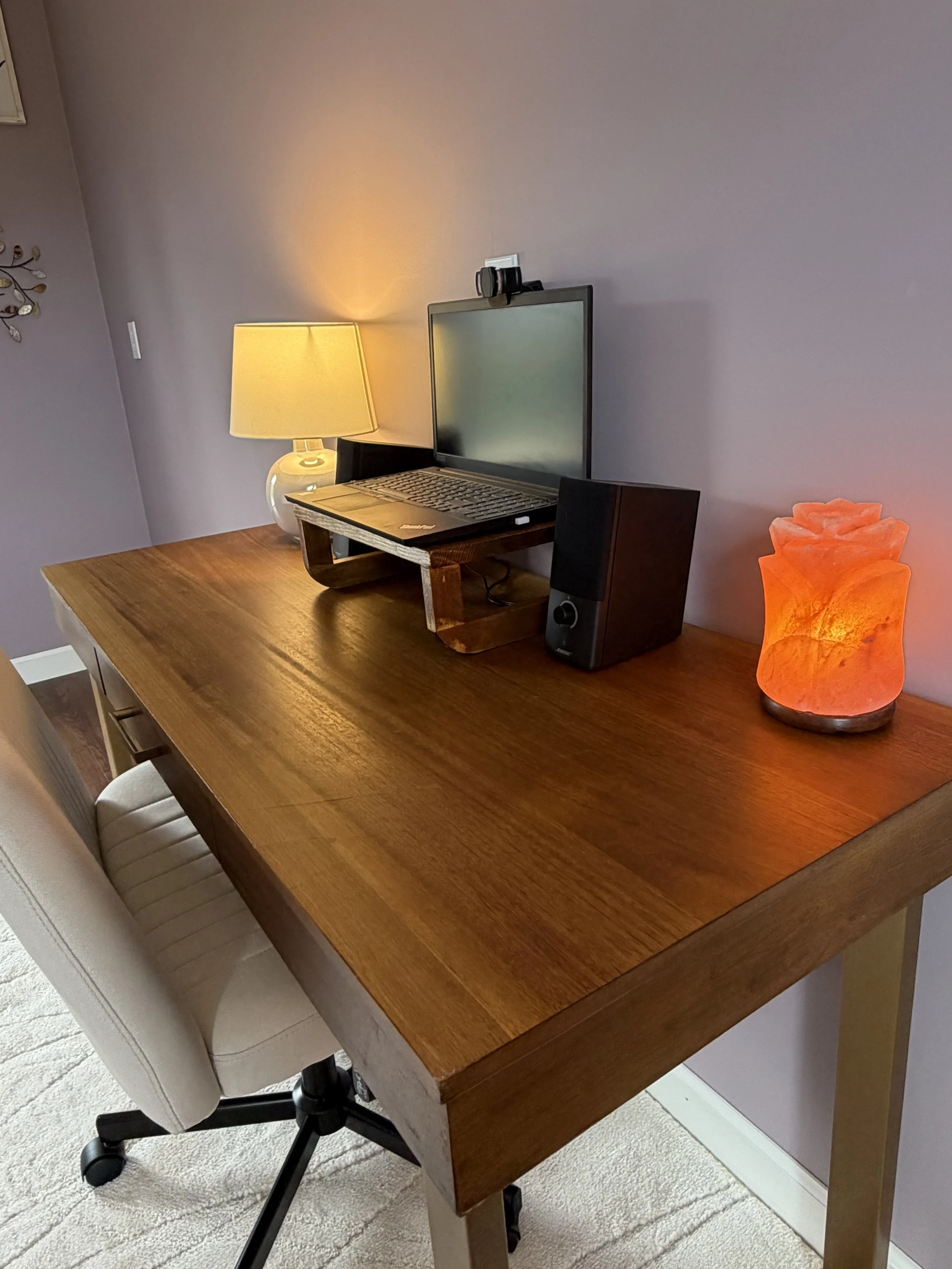
Online therapy offers a flexible and convenient way to receive support from the comfort and privacy of your own space. I offer secure, trauma-informed online therapy and EMDR for adults throughout Colorado.
-
Online therapy allows us to meet through a secure video platform rather than in a traditional office setting.
Our sessions offer the same collaborative, individualized approach you'd experience in person. Whether we're exploring grief, processing trauma, or navigating life transitions, we'll create space for meaningful therapeutic work at a pace that feels right for you.
-
Yes, online EMDR therapy can be an effective option for trauma treatment. Research on virtual EMDR continues to grow, and many clients find that they can engage in meaningful processing from the comfort of their own space.
I adapt EMDR techniques for virtual sessions while incorporating preparation, grounding, and stabilization as needed.
We'll work together to determine whether online EMDR is an appropriate fit for your individual needs and goals.
-
I provide online therapy to adults throughout Colorado, including Denver, Boulder, Colorado Springs, Fort Collins, Grand Junction, Buena Vista, Salida, and surrounding communities.
You can attend sessions from your home, a private office, or another quiet, confidential space while traveling within Colorado.
Because my practice is entirely virtual, you can access specialized trauma therapy, EMDR, and grief counseling without traveling to an office.
You must be physically located in Colorado during our sessions.
-
You'll need a reliable internet connection and a computer, tablet, or compatible device with a camera and microphone. I also recommend finding a quiet, private space where you feel comfortable speaking openly.
Before your appointment, you'll receive information about accessing your secure video session.
If you're new to telehealth or technology feels intimidating, that's completely okay! We'll take time to address your questions and make the process as comfortable and straightforward as possible.
-
For many people and concerns, research suggests that online therapy can be similarly effective to in-person treatment.
What matters most is finding an approach that meets your needs, supports a strong therapeutic relationship, and feels accessible and comfortable for you.
Online therapy isn't the right fit for everyone, and we'll consider your individual circumstances when determining whether virtual sessions are appropriate.
TRAUMA THERAPY & EMDR
Healing at a Pace That Feels Right
Trauma therapy and EMDR can offer opportunities to process difficult experiences, reduce distress, and reconnect with yourself. My approach emphasizes collaboration, preparation, and moving at a pace that supports your individual needs.

-
Eye Movement Desensitization and Reprocessing (EMDR) is an evidence-based psychotherapy developed to help people process distressing experiences and traumatic memories.
EMDR uses bilateral stimulation, such as guided eye movements or alternating tapping, as part of a structured therapeutic process.
Rather than erasing memories, EMDR can help reduce the emotional distress associated with them and support new ways of understanding past experiences.
-
Not necessarily. One of the benefits of EMDR is that you typically don't need to describe every detail of a traumatic experience aloud for processing to occur.
We'll spend time understanding your history, identifying your needs, and preparing for therapeutic work. You have choices throughout the process, and we'll approach difficult material thoughtfully and collaboratively.
-
My approach integrates EMDR with trauma-informed, somatic, and attachment-based perspectives.
We begin by building a therapeutic relationship, exploring your goals, and developing resources to support you throughout the process.
Depending on your needs, sessions may include EMDR preparation or processing, exploring patterns connected to past experiences, noticing bodily sensations, and practicing grounding or regulation strategies.
Not every session needs to involve trauma processing. Preparation, integration, and building a sense of safety and choice are equally important parts of the work.
-
The length of therapy varies depending on your history, goals, current circumstances, and the complexity of the experiences you're working through.
Some people seek support around a specific experience, while others benefit from longer-term therapy addressing complex or developmental trauma.
We'll regularly check in about your progress and adjust our work together as needed. There's no expectation that healing follow a particular timeline.
-
EMDR and trauma-focused therapy may help people experiencing post-traumatic stress, distressing memories, complex trauma, difficult relationship patterns, and the lasting effects of overwhelming experiences.
Trauma can also affect how we relate to ourselves, other people, and our bodies.
Together, we'll explore your concerns and determine which therapeutic approaches may be most appropriate for you.
-
Yes! I offer both traditional 50-minute sessions and extended 80-minute sessions.
Extended sessions allow additional time to check in, engage in therapeutic processing, and make space for grounding, containment, and integration before ending.
I particularly value having the flexibility to incorporate somatic awareness and gentle, choice-based regulation practices when appropriate.
Not everyone needs a longer session, and we'll collaborate to determine which session length best supports your needs.
50-minute sessions are $180, and 80-minute extended sessions are $270.
GRIEF THERAPY & TRAUMA-SENSITIVE YOGA
Compassionate Support for Life's Transitions
Grief, loss, and difficult life experiences can affect us emotionally, physically, and relationally. Whether you're navigating grief or exploring ways to reconnect with your body, my approach emphasizes compassion, choice, and honoring your individual experience.
-
Grief is a deeply personal experience, and there is no right or wrong way to navigate it.
Grief therapy offers a supportive space to explore the emotions, memories, and changes that can accompany loss. Whether you're grieving the death of someone you love, a relationship, a major life transition, or another meaningful loss, we can make room for your experience without expecting you to follow a particular timeline.
My approach is compassionate, collaborative, and centered on what you need.
-
Trauma Center Trauma-Sensitive Yoga (TCTSY) is an evidence-informed, body-based approach developed specifically for people who have experienced trauma.
Unlike traditional yoga classes, TCTSY emphasizes choice, invitational language, present-moment awareness, and developing a sense of agency within your own body.
Rather than focusing on achieving specific poses or movements, participants are invited to explore their experiences in ways that feel accessible and meaningful to them.
-
Not at all! You don't need any previous yoga experience, special equipment, or a particular level of flexibility.
TCTSY isn't about performing poses correctly or achieving a specific physical outcome. The emphasis is on exploring movement, noticing sensations, and making choices based on your own experience.
You're always welcome to modify an invitation, pause, or choose not to participate in a particular movement.
-
Traumatic experiences can affect how we experience and relate to our bodies.
TCTSY offers opportunities to explore present-moment awareness, practice making choices, and develop a different relationship with bodily sensations and movement.
For some people, this can be a meaningful complement to psychotherapy, including EMDR and other trauma-focused approaches.
Everyone's experience is different, and participation is always guided by personal choice rather than expectations about what healing should look like.
-
Yes, my approach to therapy integrates somatic awareness and body-based perspectives when appropriate and aligned with your interests.
Our work might include noticing physical sensations, exploring grounding strategies, or incorporating gentle, choice-based movement.
There is never an expectation that you participate in movement or yoga during therapy. We'll work collaboratively to determine what feels useful and appropriate for you.
I also offer trauma-sensitive yoga as a separate service for individuals interested in exploring TCTSY outside traditional psychotherapy.

FEES, INSURANCE & PRACTICAL DETAILS
Clear Information for Your Next Steps
I believe having clear information about the practical side of therapy is important. Below you'll find answers to common questions about session fees, insurance, payment, and scheduling.
-
I offer two individual therapy session options:
50-minute individual therapy: $180
80-minute extended therapy or EMDR session: $270
Extended sessions offer additional time for therapeutic processing, grounding, and integration when appropriate.
We'll work together to determine which session length best fits your needs and goals.
For additional information about session rates, out-of-network benefits, and payment options, visit my Fees & Insurance page.
-
A Grounding Place, LLC is a private-pay practice, and I am not an in-network provider with insurance companies.
This allows us to approach therapy collaboratively, with greater flexibility in determining the focus, frequency, and duration of sessions.
However, if your insurance plan includes out-of-network mental health benefits, you may be eligible for reimbursement toward the cost of therapy.
-
Possibly! Some insurance plans offer out-of-network benefits that may reimburse a portion of your therapy expenses.
I offer access to Thrizer, a service that can help you explore your out-of-network benefits and understand potential costs.
Coverage and reimbursement depend on your individual insurance plan, so I encourage you to verify your benefits before beginning therapy.
-
Sessions are private pay, with payment arrangements reviewed before your first appointment.
I'm happy to answer questions about payment and out-of-network reimbursement during your complimentary consultation.
-
What is your cancellation policy?
I understand that schedules and circumstances can change.
If you need to cancel or reschedule an appointment, please contact me as soon as possible.
My practice policies outline the required notice period and any applicable cancellation fees. These details will be provided before we begin working together.
LET'S CONNECT
You Don't Have to Figure It All Out Alone.
Whether you're just beginning to explore therapy or feel ready to take the next step, you're welcome here.
I offer a warm, collaborative space where you can ask questions, explore your options, and discover what feels right for you.
A complimentary 15-minute consultation is an opportunity for us to connect, discuss what you're looking for, and see whether working together might be a good fit.